Description
LPO Books Printing in Dubai for Organised Purchase Orders
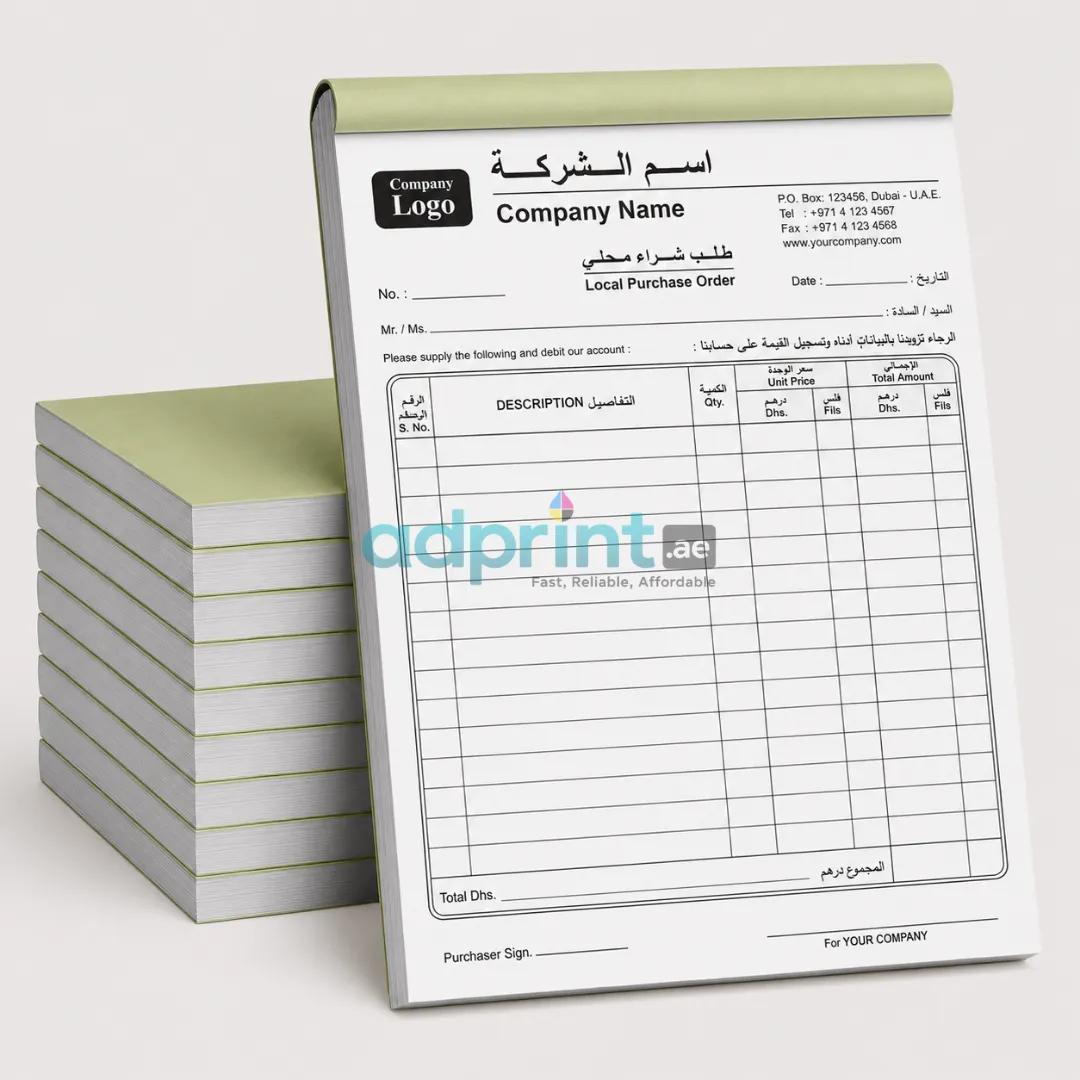
LPO Books help businesses document local purchase orders, communicate requirements to suppliers and keep a consistent record of approved purchases. With your company details, item descriptions, quantities, prices and authorisation fields printed in a clear format, the book supports day-to-day procurement and administration. Ad Print Advertising LLC can help prepare LPO Books for businesses that need practical, branded purchase-order stationery for office, retail, trading, contracting and operational use.
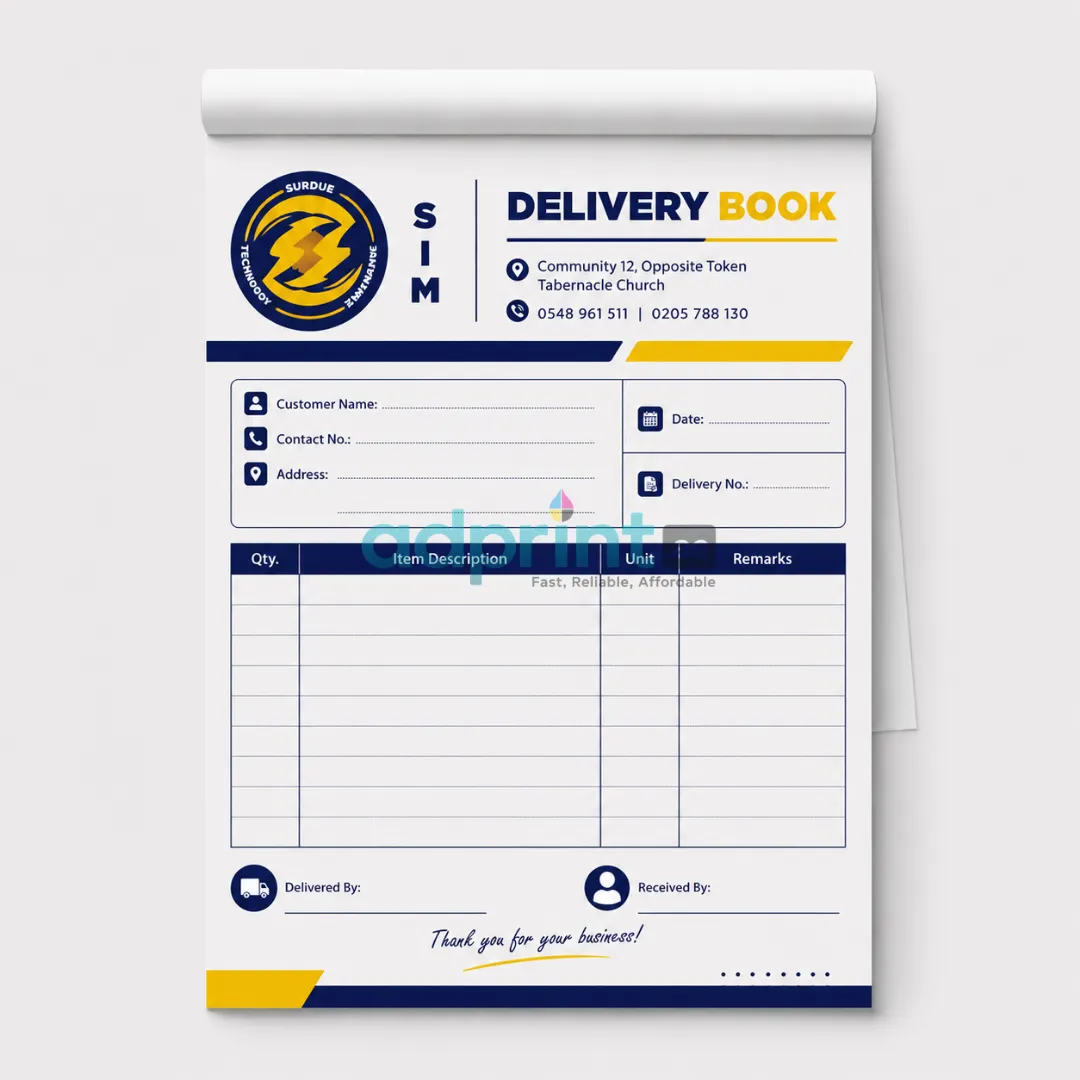
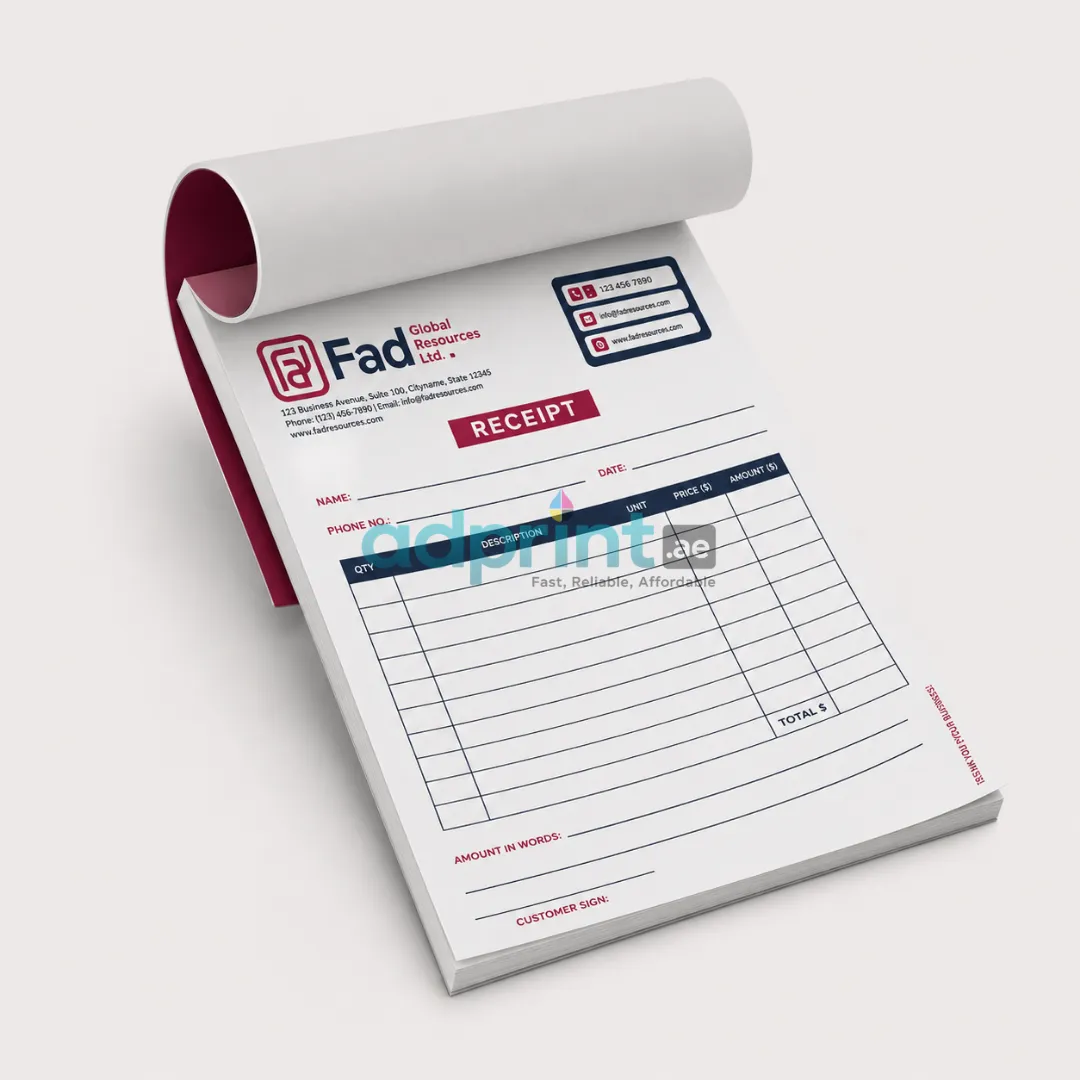
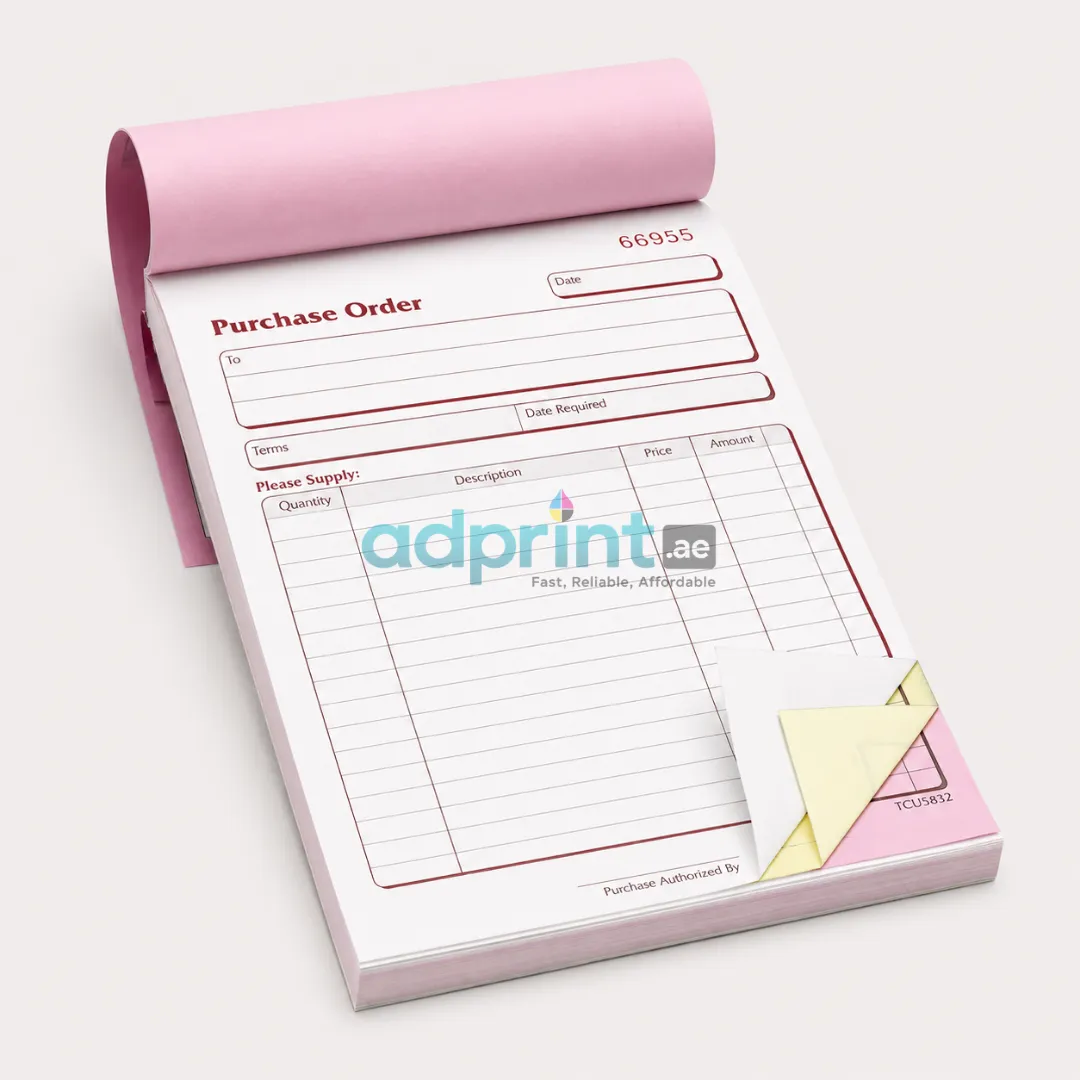
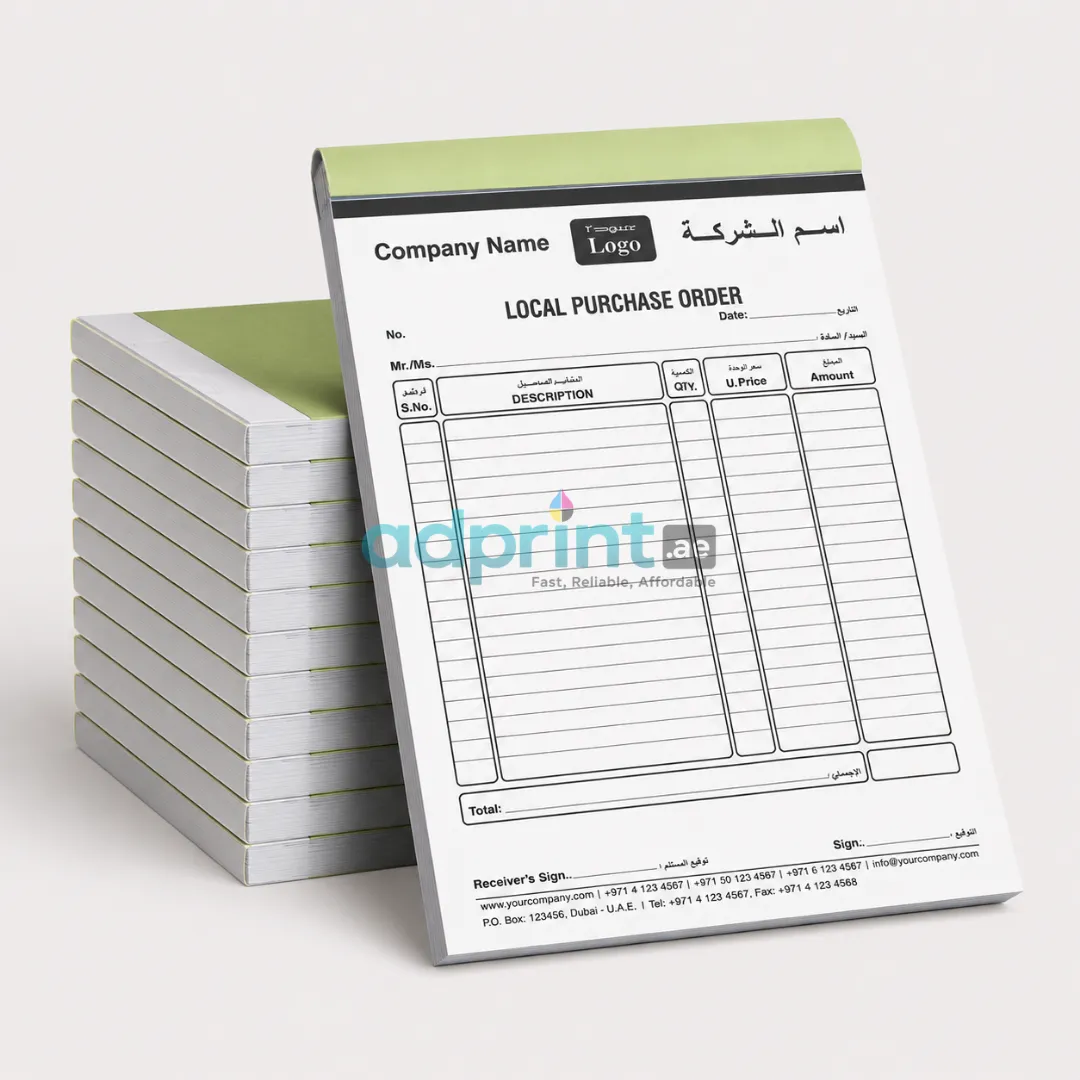
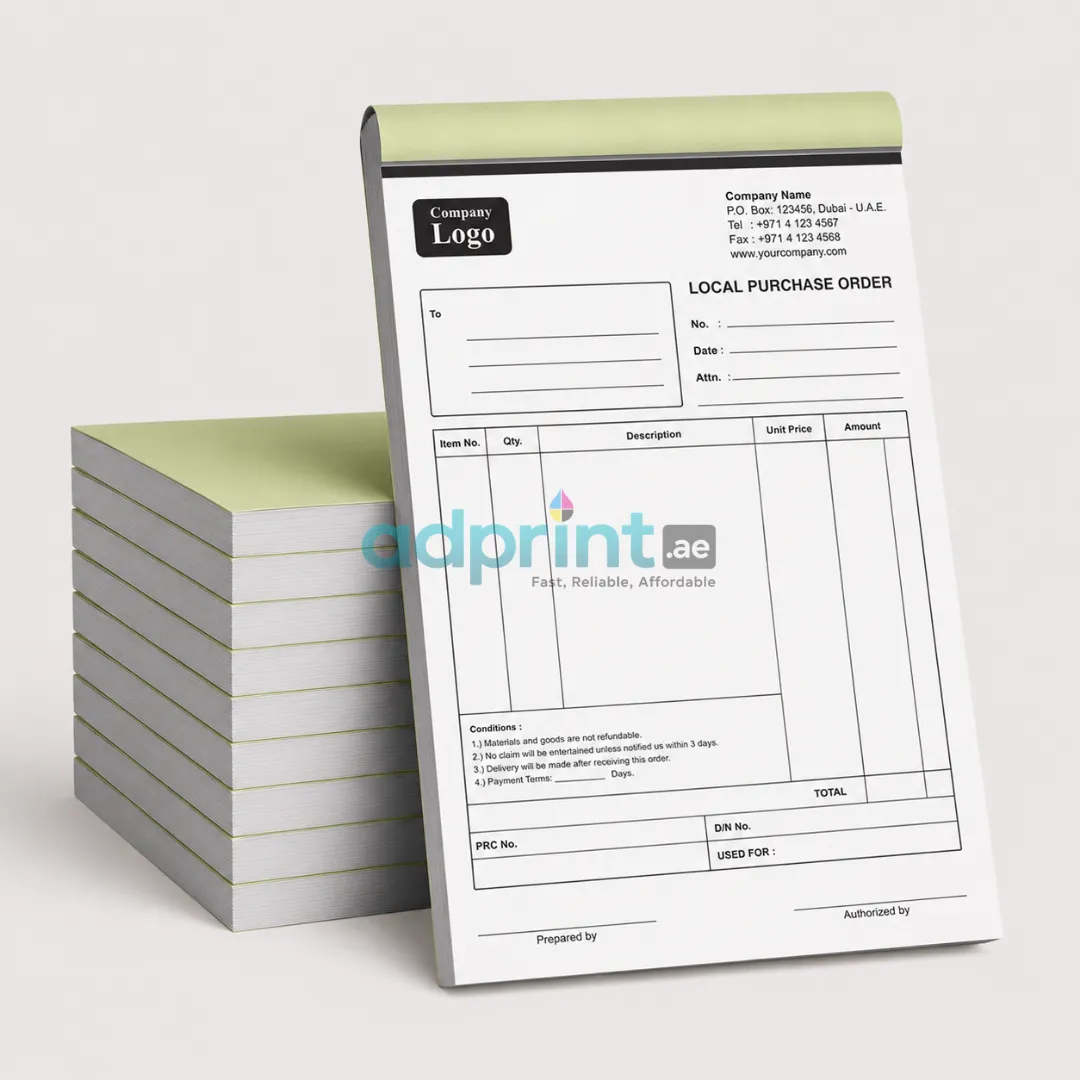
Custom LPO Books can be designed around your existing purchasing workflow. Depending on how your team operates, the form may include an LPO number, date, supplier name, delivery details, item description, quantity, unit price, total amount, payment terms, prepared-by details and approval signatures. The exact fields should be agreed with your procurement or finance team before printing so the form reflects the way your organisation actually places and approves orders.
Key Features and Benefits of LPO Books
- Consistent purchase records: Use a standard layout to capture the same information for each order.
- Company branding: Add your logo, business name, contact details and other approved identifiers.
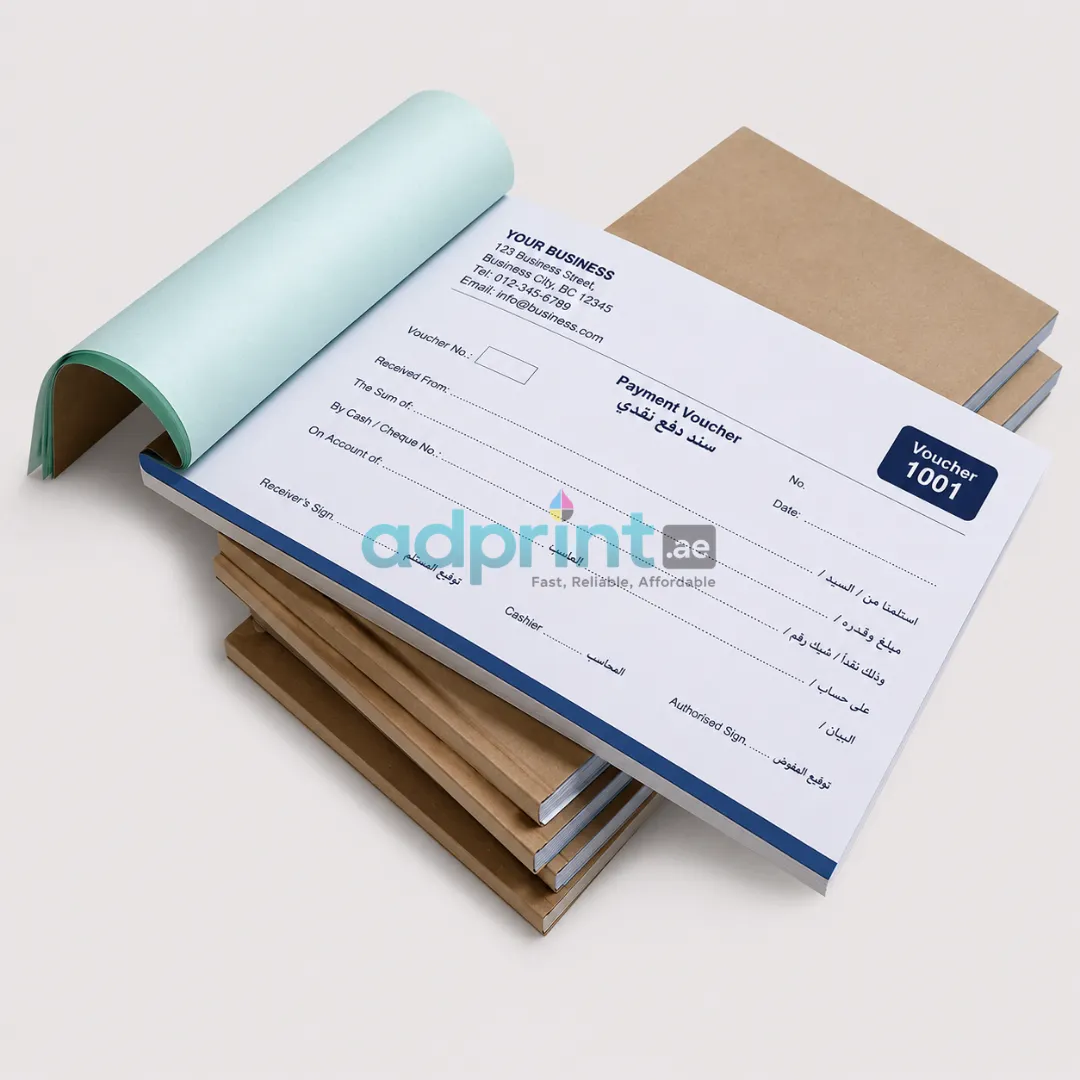
- Duplicate or triplicate copies: NCR carbonless paper can create additional copies for internal filing and supplier records.
- Sequential numbering: Numbered forms can help teams track issued orders and identify missing entries during reviews.
- Structured item details: Include rows for descriptions, quantities, rates, totals and notes where required.
- Approval fields: Provide space for authorised signatures, department references or other internal checks.
- Practical tear-off format: Bound books and optional perforation can help keep unused forms organised and make completed copies easier to remove.
Well-designed LPO Books make routine purchasing documentation easier to complete and review. A clean layout, readable type and enough space for handwriting are usually more useful than a heavily decorated page. Keep the most important information easy to find, and avoid putting large graphics behind item descriptions or total fields.
Choose the Right Size, Paper and Copy Format
A4 is a common format for purchase orders because it gives room for itemised lists, supplier information, totals and approval details. A5 can suit simpler forms or teams that prefer a more compact book. Custom sizes may be possible depending on the required layout and production method. Select a size based on the number of fields and the amount of information staff usually write on each order.
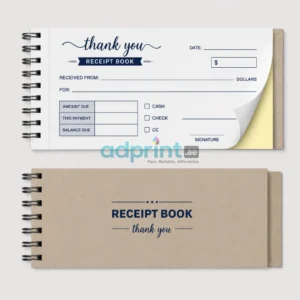
LPO Books are often produced using NCR (No Carbon Required) paper or self-carbon paper. NCR paper transfers handwriting from the top sheet to the copy sheets beneath it without a separate carbon sheet. Duplicate sets create one additional copy, while triplicate sets create two additional copies. More-part formats may be suitable when procurement, accounts and the supplier each need a record. Copy colours can help users identify the original and each copy, subject to stock availability.
Consider how each copy will be used. For example, the original may be sent to a supplier while another copy remains with procurement and a further copy goes to accounts. Agree the copy order before artwork approval. The transfer needs to remain readable through the chosen number of parts, so confirm the paper configuration and test a sample where required.
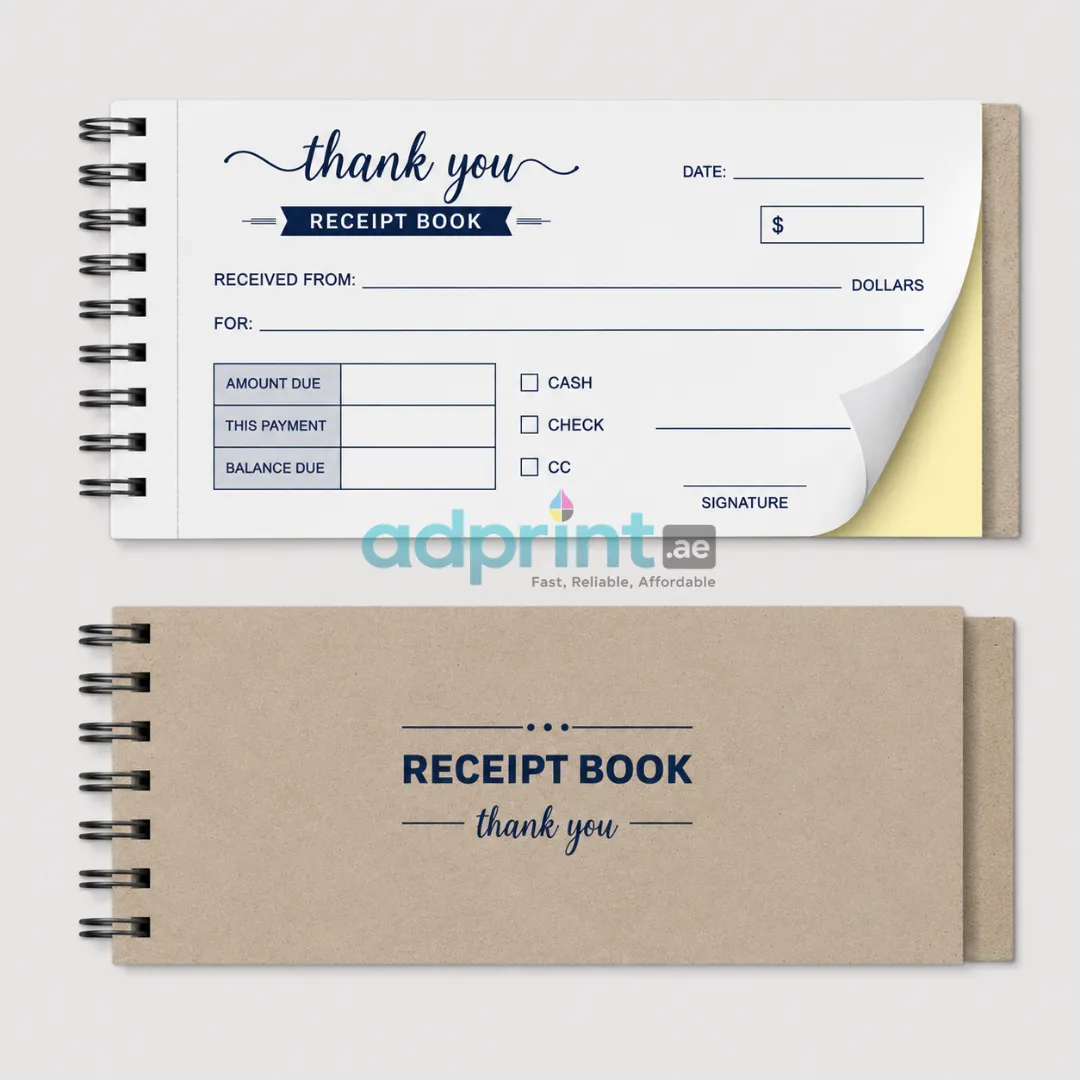
Binding and finishing also affect everyday use. Top binding keeps pages together in a familiar book format. Perforation can make the relevant sheets easier to tear away, while a firm backing board provides support when writing away from a desk. Numbering can be added when a sequential record is important. Confirm the starting number and whether numbering should continue from an existing series before production.
Applications of LPO Books
LPO Books are useful for businesses that need a paper-based record of purchase requests or approved orders. The layout should reflect the purchasing process and the types of information suppliers and internal teams need to see.
- Trading companies: Record goods ordered from local suppliers and keep a copy for purchasing records.
- Retail businesses: Document orders for stock, store supplies and approved operational purchases.
- Construction and maintenance: Capture material requirements, quantities and supplier details for relevant jobs.
- Hospitality: Organise purchase orders for food-service supplies, maintenance items and routine operations.
- Offices and facilities teams: Record purchases of stationery, equipment and services through the company’s approval process.
- Workshops and service providers: Track purchases of parts, consumables and job-related materials.
- Procurement and accounts: Maintain consistent records for review, reconciliation and filing.
Use an LPO for the type of purchase your organisation’s procedures define as appropriate. A printed book does not itself approve a purchase or guarantee compliance. Your internal policy should explain who may raise an order, who authorises it and how the final document is distributed and stored.
Artwork Preparation and Proof Approval
Provide a print-ready PDF if available, with clear text and a high-resolution logo. Follow the supplied template for page size, bleed and safe margins. Keep important fields away from the trim and perforation lines, and leave enough space for handwriting. Adobe’s guide to setting up documents for print explains common artwork-preparation considerations.
Before approving LPO Books, review the company name, contact information, supplier fields, item table, currency notation, totals, terms, signatures and numbering. Confirm that the copy sequence is correct and that the form has enough lines for the usual order. If you are using a current paper form as a reference, send a clear scan or photograph and highlight any changes required for the new version.
Use a clear hierarchy for the title, field labels and totals. Light backgrounds and good contrast generally make forms easier to complete. If you need a particular brand colour, keep it from reducing the legibility of fine lines or handwritten entries. Check all figures, phone numbers, email addresses and web addresses carefully because errors in printed stationery can affect daily operations.
Why Choose Ad Print Advertising?
Ad Print Advertising supports businesses looking for printed materials that fit their practical workflows. A useful order starts with understanding the format, number of copies, numbering needs and information that must be recorded. Agreeing these details early helps make the artwork review more efficient and reduces the risk of reprinting forms with incorrect fields.
- Workflow-based recommendations: Choose a size and copy structure that suits your purchase-order process.
- Custom layout: Organise the form around your company details, item fields and approval steps.
- Numbering options: Request sequential numbering when it supports internal tracking.
- Proof review: Check layout, spelling, copy order and numbering before production.
- Related printing support: Coordinate purchase-order books with other business stationery and operational forms.
Ad Print Advertising LLC can help you prepare the production brief for LPO Books. Share the size, quantity, number of copies per set, preferred paper colours, numbering sequence and artwork status so the quote can reflect your required configuration.
Industries We Serve
LPO Books can be adapted for trading companies, retailers, contractors, hospitality operators, maintenance providers, workshops, property management teams and corporate offices. Trading and retail teams may need itemised fields for goods and quantities, while service providers may require more room for job descriptions and supplier details. Construction and facilities teams may want job references or department codes included where these are part of their internal process.
Small businesses can use a straightforward format with the essential purchase fields, while larger organisations may need additional approval spaces and cost-centre references. In every case, the final layout should be reviewed by the people who raise, approve and process the orders. This helps the printed form remain practical instead of adding fields that staff do not use.
Paper Sourcing and Printing Standards
When selecting paper-based LPO Books, consider paper quality, responsible sourcing and how printed text and colours will be reviewed. The Forest Stewardship Council guidance for paper and print provides information about responsible paper sourcing. The ISO 3664 viewing-condition standard explains defined viewing conditions for images and colour. These resources are for reference and do not establish that a particular book, paper stock or printing provider is FSC-certified or ISO-certified.
For NCR LPO Books, the key practical requirement is clear transfer through the selected number of copies. Confirm the paper type, copy colours and order of sheets before production. Retain the approved artwork and specification if you expect to reorder, and review each new proof if the numbering series, company details or purchasing fields have changed.
Quality Checks, Storage and Reordering
Before dispatch, check that the books have the correct dimensions, readable labels, aligned sheets, secure binding and the agreed numbering sequence. If perforation is included, check that sheets tear along the intended line. On delivery, test a sample set by writing on the top sheet and checking that the copies remain readable. Store unused books in a clean, dry place and distribute them according to your internal purchasing controls.
When reordering LPO Books, provide the latest approved artwork, the next numbering value and any updated fields. Do not assume an old number sequence can be repeated safely. If your purchasing policy changes, update the form and confirm the new proof before printing the next batch.
Relevant Products
Complete your business stationery range with Standard Business Cards and explore the wider Business Printing category for additional printed materials. For a coordinated brand presence, you can also read our guide to Books and explore different types of business cards. Consistent logo use, typography and colour choices help printed items work together across your organisation.
Compliance and Procurement Controls
LPO Books should match your organisation’s purchasing policy and the requirements applicable to the transaction. The printed form alone does not guarantee legal, tax or procurement compliance.
Order LPO Books for Your Business
To request LPO Books, provide the required size, quantity, copy format, paper colours, printing preference and numbering details. Attach your existing form or print-ready artwork if available, and note any changes needed for the new edition. Ad Print Advertising LLC can then help you review the specification and prepare a quote based on the selected materials, printing and finishing options.